
Understanding Disposable Vape Devices: Features, Labelling and Australian Regulations
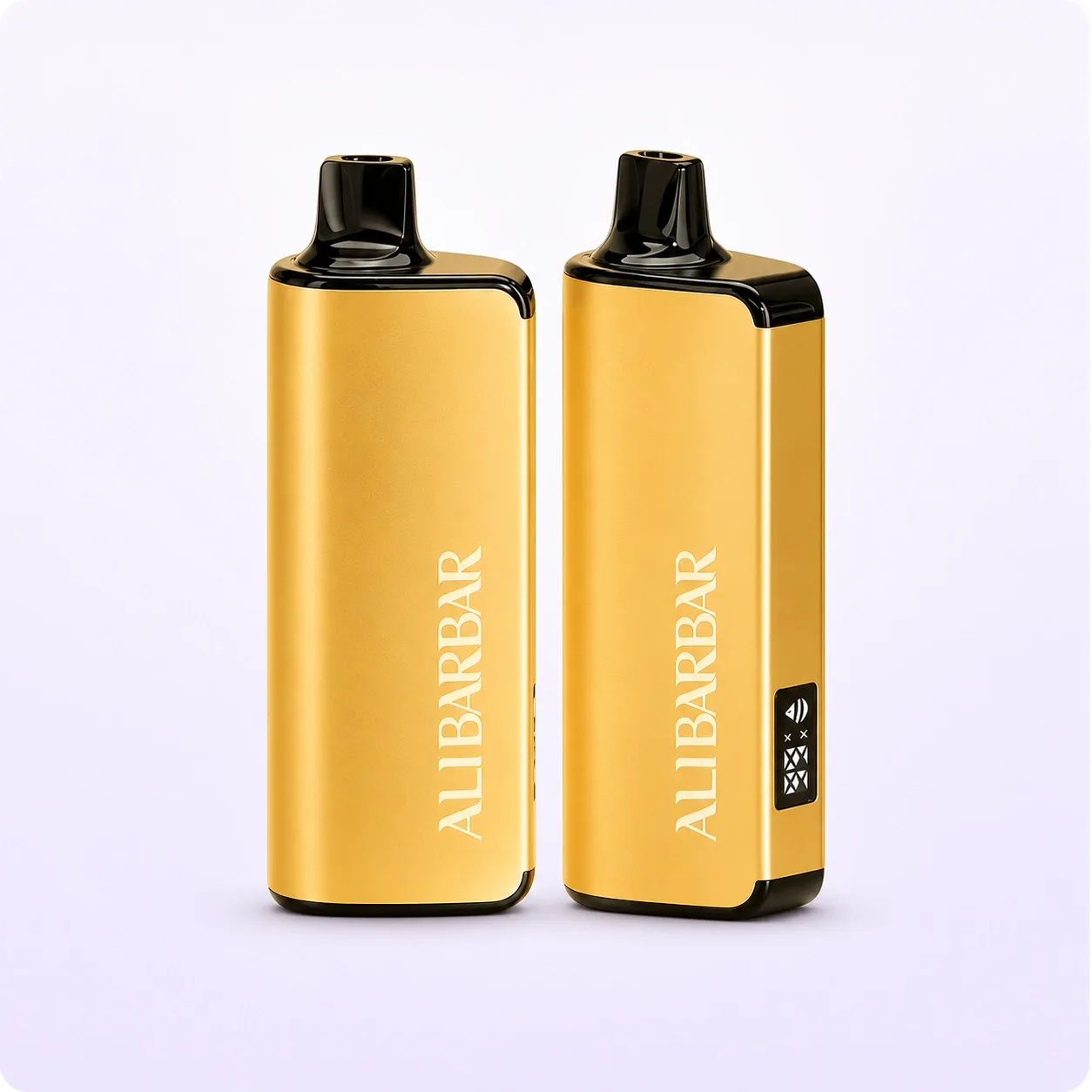
Searches for terms such as alibarbar ingot 9000 reflect the wider interest in disposable vaping devices and their advertised specifications. Consumers may encounter product names, puff-count claims and flavour descriptions online, but these details do not establish whether a vaping product is safe, accurately labelled or legally available in Australia. Understanding how these devices work and the regulations surrounding them is important for making informed decisions.
Disposable vapes have become a significant public health concern because they can contain addictive nicotine and expose users to chemicals through inhaled aerosols. Australian authorities have introduced strict controls to reduce access to non-therapeutic vaping products and protect the community.
1. What Are Disposable Vape Devices?
Disposable vapes are electronic devices designed to operate with a built-in battery and a pre-filled liquid reservoir. They generally contain a heating element, electronic components and a mouthpiece. When activated, the device heats its liquid and produces an aerosol that the user inhales. Depending on the formulation, the liquid may contain nicotine, solvents and flavouring substances. Unlike reusable vaping systems, disposable devices are generally designed to be discarded after their usable life. Their construction can make recycling and responsible disposal more difficult.2. Understanding Puff-Count Claims
Some vaping products are advertised with numerical puff-count claims. These figures are marketing specifications rather than reliable measures of health risk, product quality or actual usage. The number of inhalations a person obtains from a device can vary according to several factors, including inhalation duration, frequency of use, battery performance and device construction. A higher advertised puff count does not mean a product is safer or suitable for use. Consumers should avoid interpreting such figures as evidence of product approval or health benefits.3. Product Names and Online Descriptions
Online searches may also include terms such as alibarbar 9000, which illustrate how product names and numerical specifications are used in vaping-related discussions. However, a product name does not establish its ingredients, manufacturing quality or legal status. Online descriptions may contain incomplete information, and claims made by sellers should not be treated as independent safety assessments. Consumers should rely on official Australian regulatory information when evaluating claims about vaping products.4. Nicotine and Potential Health Effects
Nicotine is a highly addictive substance that can lead to dependence. Regular exposure may make it difficult for users to stop vaping. Potential effects of nicotine exposure include:- Increased heart rate
- Dizziness and headaches
- Nausea
- Nicotine cravings and withdrawal symptoms
- Dependence and difficulty quitting
5. Why Product Labelling Matters
Accurate labelling is important because it helps consumers and regulators understand the composition and characteristics of a product. Information relevant to product assessment may include ingredient details, nicotine content, health warnings, manufacturing information and regulatory compliance. However, packaging alone cannot guarantee that a product is safe. Inaccurate or incomplete labels can create additional risks, particularly when consumers do not know what substances they may be inhaling. Independent regulatory oversight is essential for protecting public health and reducing misleading claims.6. Australia's Vaping Regulations
Australia has implemented strict national laws governing vaping products. Non-therapeutic disposable vapes cannot legally be supplied through ordinary retail businesses, including vape shops, tobacconists and general online retailers. The Therapeutic Goods Administration (TGA) regulates therapeutic vaping products. Eligible products may be supplied through participating pharmacies under applicable legal and clinical requirements. The regulatory framework also addresses importing, manufacturing, advertising and commercial supply. Individuals and businesses should consult official government guidance to understand the requirements that apply to them. An online product listing does not establish that a product is legally approved for sale in Australia.7. Environmental Impact of Disposable Vapes
Disposable vaping devices create electronic waste because they combine batteries, plastic components, electronic circuits and liquid containers. Incorrect disposal can contribute to environmental pollution. Lithium-ion batteries can also cause fires if damaged or placed in unsuitable waste collection systems. Consumers should follow local council instructions and use appropriate battery or electronic waste collection facilities. Reducing unnecessary electronic waste is an important part of environmental responsibility.8. Support for People Experiencing Nicotine Dependence
People who want to stop vaping can seek help from doctors, pharmacists or qualified healthcare professionals. Support may include behavioural counselling, withdrawal management and clinically appropriate treatments for nicotine dependence. In Australia, Quitline provides confidential assistance to people who want to stop smoking or vaping. The service can be contacted on 13 7848. Seeking professional guidance can help individuals develop a practical quitting plan and manage nicotine cravings.Conclusion
Disposable vaping devices raise important questions about nicotine dependence, product labelling, environmental waste and regulatory compliance. Puff-count claims and product names should not be mistaken for evidence of safety or legal approval. Australia's strict vaping regulations aim to reduce the availability of non-therapeutic products and protect public health. Consumers should consult reliable government and healthcare sources, understand the potential risks and seek professional support when dealing with nicotine dependence.Popular Posts

School Management Software and Custom Education Solutions: Improving Modern Learning Management
Penelope - November 25, 2026
Understanding Disposable Vape Devices: Features, Labelling and Australian Regulations
Penelope - November 25, 2026

Luxury Home Builders Australia: A Complete Guide to Choosing a Luxury Home Builder NSW
Penelope - November 25, 2026
