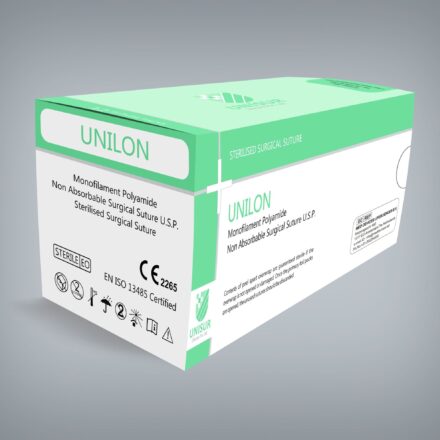
Sutures are an important part of modern healthcare, helping medical professionals close wounds and support proper tissue healing after surgical procedures. From routine operations to specialized interventions, the quality and suitability of sutures can influence wound management and the overall surgical process. As medical technology continues to develop, healthcare providers increasingly look for products that offer consistency, reliable handling, and appropriate performance for different clinical requirements.
A trusted
Sutures Manufacturer focuses on producing medical sutures under controlled manufacturing processes while maintaining attention to material quality, sterility, needle attachment, packaging, and product consistency. Understanding what goes into suture manufacturing can help hospitals, distributors, and healthcare professionals make informed purchasing decisions.
What Are Surgical Sutures?
Surgical sutures are medical devices used to approximate or hold body tissues together following an incision, injury, or surgical procedure. They are available in different materials, sizes, needle configurations, and designs to accommodate various applications.
Sutures can broadly be classified as absorbable and non-absorbable. Absorbable sutures are gradually broken down by the body over time, while non-absorbable sutures are designed to remain in place for longer periods and may require removal depending on the application. The choice depends on factors such as tissue type, wound location, healing characteristics, and the requirements of the procedure.
Importance of Quality in Suture Manufacturing
Consistency is an important consideration when manufacturing surgical sutures. A suture needs to provide predictable handling characteristics and appropriate strength for its intended application. Small variations in materials, dimensions, needle quality, or packaging can affect product performance.
Manufacturers therefore pay attention to several stages of production. These may include raw material selection, extrusion or processing where applicable, braiding or monofilament formation, needle manufacturing and attachment, sterilization, packaging, and quality inspection.
Proper packaging is equally important because it helps protect the product from contamination and maintains sterility until the package is opened for use. Clear labeling also helps healthcare professionals identify important information such as suture type, size, needle configuration, and expiry details.
Different Types of Sutures
Sutures are available in numerous configurations to meet different surgical requirements. Monofilament sutures consist of a single strand and generally offer a smooth surface. Multifilament sutures contain several strands and can provide different handling and knotting characteristics.
Absorbable materials are commonly selected when the supporting material is intended to disappear naturally as healing progresses. Non-absorbable materials may be used when prolonged tissue support is required.
The needle is another important component. Needles differ in shape, curvature, point design, and size. A suitable combination of needle and suture material allows surgeons to select products according to the tissue and procedure involved.
Role of Suture Manufacturers in India
The medical device industry has expanded significantly, and
Suture Manufacturers in India contribute to the availability of surgical products for hospitals, clinics, distributors, and healthcare institutions. Manufacturers serving this sector need to maintain organized production systems and quality-focused processes to meet the requirements of different markets.
A capable manufacturer typically works with defined specifications for materials, dimensions, tensile characteristics, needle attachment, sterilization, and packaging. Manufacturing facilities may also implement testing procedures at different stages to identify inconsistencies before products reach customers.
For buyers, it is useful to look beyond price when selecting a supplier. Manufacturing experience, product range, quality systems, documentation, packaging standards, and consistency across batches can all be relevant factors.
Factors to Consider When Selecting a Manufacturer
Healthcare distributors and institutions can consider several points before choosing a suture supplier. First, they should understand whether the manufacturer offers the specific types, sizes, and configurations required for their applications.
Quality assurance is another important consideration. Manufacturers should have suitable processes for inspecting raw materials and finished products. Proper documentation and traceability can also help organizations manage their procurement and inventory processes more effectively.
Production capacity matters for larger healthcare networks and distributors because regular supply is necessary to avoid interruptions. Packaging options, labeling requirements, order quantities, and export capabilities may also be important depending on the buyer's requirements.
Manufacturing Technology and Quality Control
Modern suture manufacturing combines specialized equipment with controlled production procedures. Precision is particularly important when attaching needles to suture material because the connection must be appropriately secure for its intended use.
Quality control may involve checking physical dimensions, appearance, packaging integrity, and other product-specific characteristics. Sterilization is also a critical stage for sterile surgical products. Appropriate processes are used to help ensure that products remain suitable for their intended medical application when handled according to the manufacturer's instructions.
Continuous improvement can further help manufacturers identify production issues, improve consistency, and respond to changing requirements in the healthcare sector.
Why Reliable Supply Matters
Hospitals and healthcare facilities need dependable access to essential surgical products. Delays or inconsistent availability can make procurement more difficult, particularly when specific suture sizes or needle configurations are required.
Working with an established supplier can help businesses plan their inventory more effectively. Clear communication regarding production schedules, order quantities, packaging, and delivery requirements can support a smoother supply process.
Looking Ahead
Suture technology continues to develop alongside advances in surgical techniques and medical device manufacturing. Manufacturers are increasingly focused on material development, product consistency, efficient production, and quality management.
For healthcare organizations, selecting the right suture supplier is ultimately about matching product requirements with reliable manufacturing capabilities. A manufacturer that maintains consistent processes, appropriate quality controls, and dependable supply can become a valuable part of the medical supply chain.
As demand for surgical products continues to grow, manufacturers that emphasize quality, precision, and responsible production will remain important to healthcare providers and distributors. Understanding the manufacturing process and evaluating suppliers carefully can help buyers select sutures that are appropriate for their intended clinical applications.