
How to Choose the Right Glue for Wood Veneering
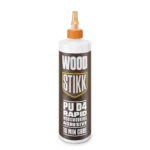
Wood veneer can transform an ordinary piece of furniture into something elegant, durable, and visually appealing. Whether you are restoring an old cabinet, creating custom furniture, or adding a decorative surface to a woodworking project, the quality of the adhesive plays an important role in the final result. Choosing the right adhesive helps the veneer stay firmly attached while maintaining a smooth and professional appearance.
Understanding the right type of glue wood veneer projects require can make the veneering process easier and help prevent common problems such as bubbling, lifting edges, cracking, or uneven surfaces.
Why the Right Veneer Glue Matters
Veneer is a thin layer of natural wood that needs reliable support from the substrate underneath it. Unlike solid wood, veneer can be delicate and may react to changes in temperature and humidity. A suitable adhesive creates a strong bond between the veneer and the surface while allowing the finished project to remain stable.
Poor-quality glue can lead to weak adhesion and visible defects. In some cases, the veneer may begin separating from the substrate after only a short period. Using an adhesive designed specifically for woodworking can significantly reduce these risks.
What to Look for in Veneering Adhesive
When selecting glue for veneering wood, several factors should be considered. The first is bonding strength. The adhesive should create a dependable connection between the veneer and substrate without damaging the thin wood layer.
Open time is another important consideration. Open time refers to how long the adhesive remains workable before it begins setting. A longer open time can be useful when working with larger veneer sheets because it gives you more opportunity to position the material correctly.
The adhesive should also spread evenly. Uneven application can create weak spots, ridges, or air pockets beneath the veneer. A smooth and consistent glue layer makes it easier to achieve a professional finish.
Preparing the Surface Before Applying Glue
Good veneering begins before the adhesive is applied. Both the veneer and substrate should be clean, dry, and free from dust, oil, grease, and loose particles.
The substrate should also be reasonably flat. Any major dents, bumps, or irregularities can become visible through the veneer after installation. Sanding the surface appropriately can help create a better bonding foundation.
Veneer sheets should be handled carefully because they can bend, split, or crack. Before applying adhesive, position the veneer over the substrate and check that the grain direction and dimensions are correct.
Applying Glue Correctly
Once the surfaces are prepared, apply an even layer of glue wood veneer applications require. Avoid using excessive adhesive. Too much glue can increase drying time and may create unwanted movement beneath the veneer.
At the same time, insufficient adhesive can leave areas without proper contact. The goal is to achieve consistent coverage across the entire surface.
After positioning the veneer, pressure is generally needed to create close contact between the two materials. Depending on the adhesive and project size, this may involve clamps, a veneer press, vacuum pressing equipment, or another suitable method.
Pressure should be distributed evenly so that the veneer bonds consistently rather than adhering strongly in some areas and weakly in others.
Avoiding Common Veneering Problems
One of the most common problems in veneering is bubbling. Bubbles can occur when air becomes trapped between the veneer and substrate or when adhesive coverage is inconsistent. Careful application and appropriate pressure can help minimize this issue.
Lifting edges are another concern. If the edges are not properly bonded, they may begin to curl or separate over time. Pay particular attention to the perimeter of the veneer during application.
Moisture and temperature changes can also affect wooden materials. Selecting a suitable adhesive and allowing the finished project to cure properly can improve long-term performance.
Choosing the Right Adhesive for Your Project
There is no single adhesive that is perfect for every woodworking application. Your choice should depend on the type of veneer, substrate, project size, working conditions, and required durability.
For small decorative projects, a convenient woodworking adhesive may be sufficient. Larger furniture pieces or professional applications may require an adhesive formulated specifically for veneer work and compatible with pressing equipment.
Always follow the manufacturer's instructions regarding application, coverage, drying time, temperature, and pressure. These details can have a significant effect on the strength and appearance of the finished project.
Tips for a Better Veneering Finish
Take time to prepare your materials before starting. Measure the veneer carefully and allow enough material for trimming. Keep your work area clean and organize the necessary tools in advance.
Apply adhesive consistently rather than rushing the process. Position the veneer carefully and use suitable pressure to encourage complete contact.
After bonding, allow sufficient curing time before sanding, trimming, staining, or applying a finish. Moving or handling the veneer too soon can weaken the bond and cause unwanted movement.
Final Thoughts
Successful veneering depends on more than selecting attractive wood. The adhesive, preparation, application technique, and curing process all contribute to the finished result. By choosing the appropriate glue for veneering wood and applying it correctly, woodworkers can create surfaces that are attractive, stable, and long-lasting.
Whether you are working on a small DIY project or professional furniture, investing time in proper adhesive selection can make the difference between a veneer surface that looks good temporarily and one that remains firmly bonded for years. A careful approach, suitable materials, and attention to detail will help you achieve a clean and durable woodworking finish.
Popular Posts
How to Choose the Right Glue for Wood Veneering
Penelope - August 31, 2026

From Evidence to Market Access: How CE Marking and Clinical Evaluation Work Together
Penelope - August 27, 2026

PMCF and PSUR for Medical Devices: Strengthening Post-Market Compliance
Penelope - August 27, 2026
